INHERITING THE VOID
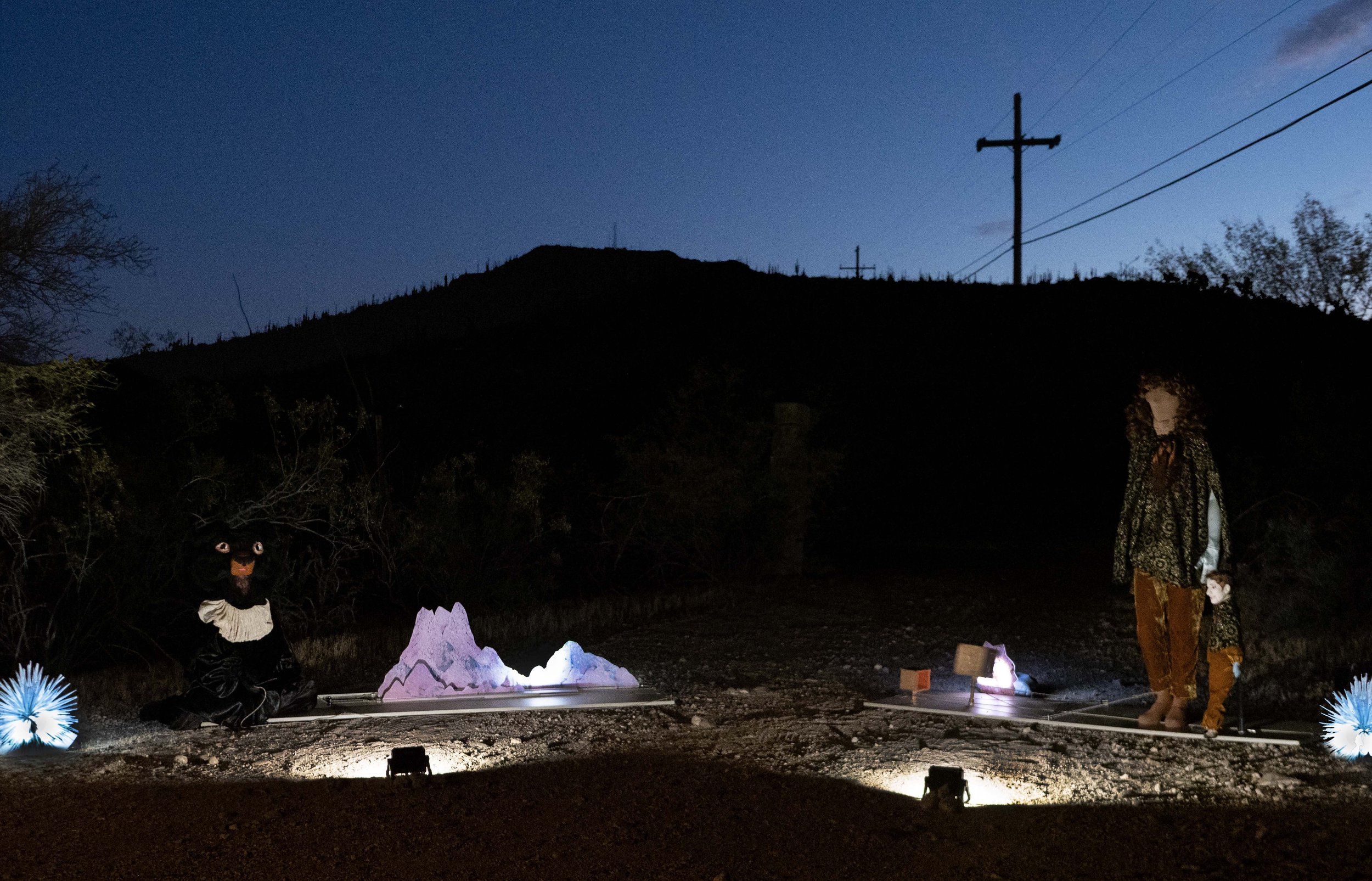
Welcome to Inheriting the Void. Perhaps you are standing at the base of Tumamoc Hill? If so, please walk to the installation that is across from the Boathouse. When you are ready press play on the video (below), the images and text are intended to be experienced while standing in front of the two performers, but feel free to let your eyes wander to the mountain, the horizon, and the sky as we slowly passes through the vespertine hour.
If the video is too slow to load - you can also play just the audio, found below.
Thank you for your visit!
Inheriting the Void in a new place based research project that traces the intersection of mental health, climate crisis and the rise of AI. Supported by a MOCA Tucson NightBloom Award and the The Andy Warhol Foundation Arts.
Past showings of the work
In 2024 the work developed as an installation, and through an artist residency at Northern Sustainable Futures, Moskosel, Sweden. During this time I collaborated with musician Sean Peter Rogers to create a unique musical score and to record video footage.
Inheriting the Void.
Mixed media Installation (3channel video, VHS Dementia-Blob, salt crystals, rope, and mountain flats).
Group show, Fun House, May 2024. Pidgin Palace, Tucson, AZ.
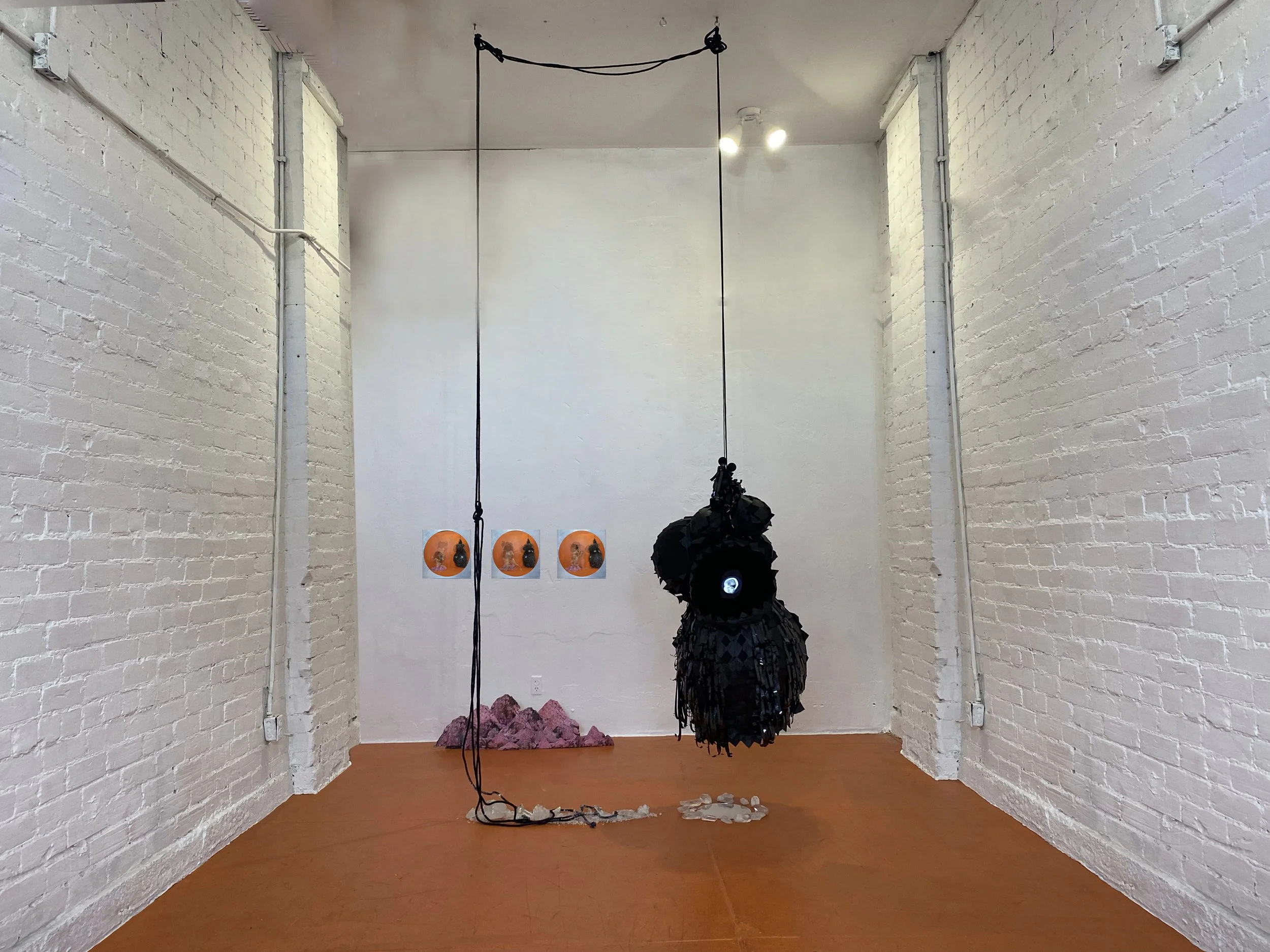
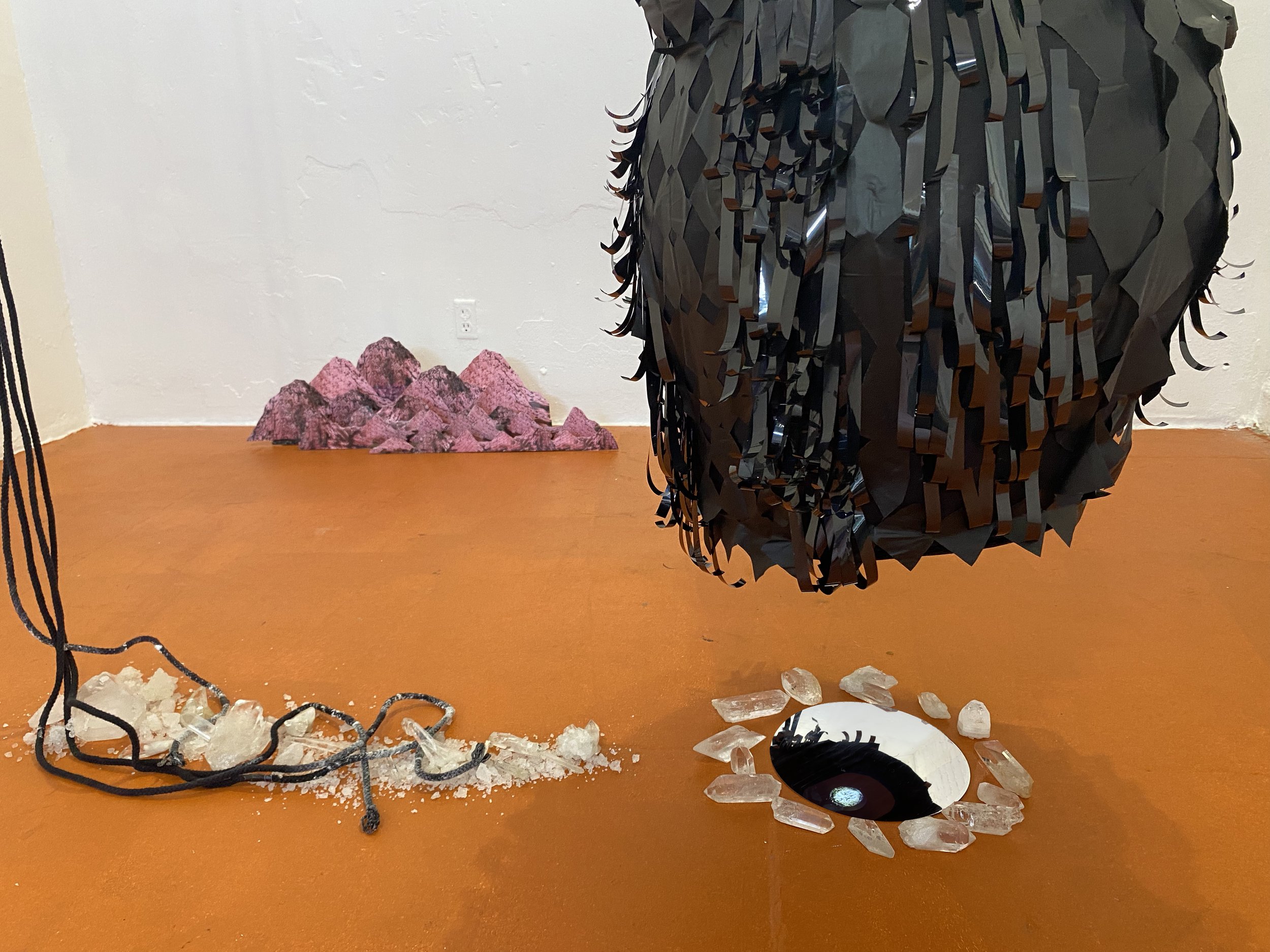
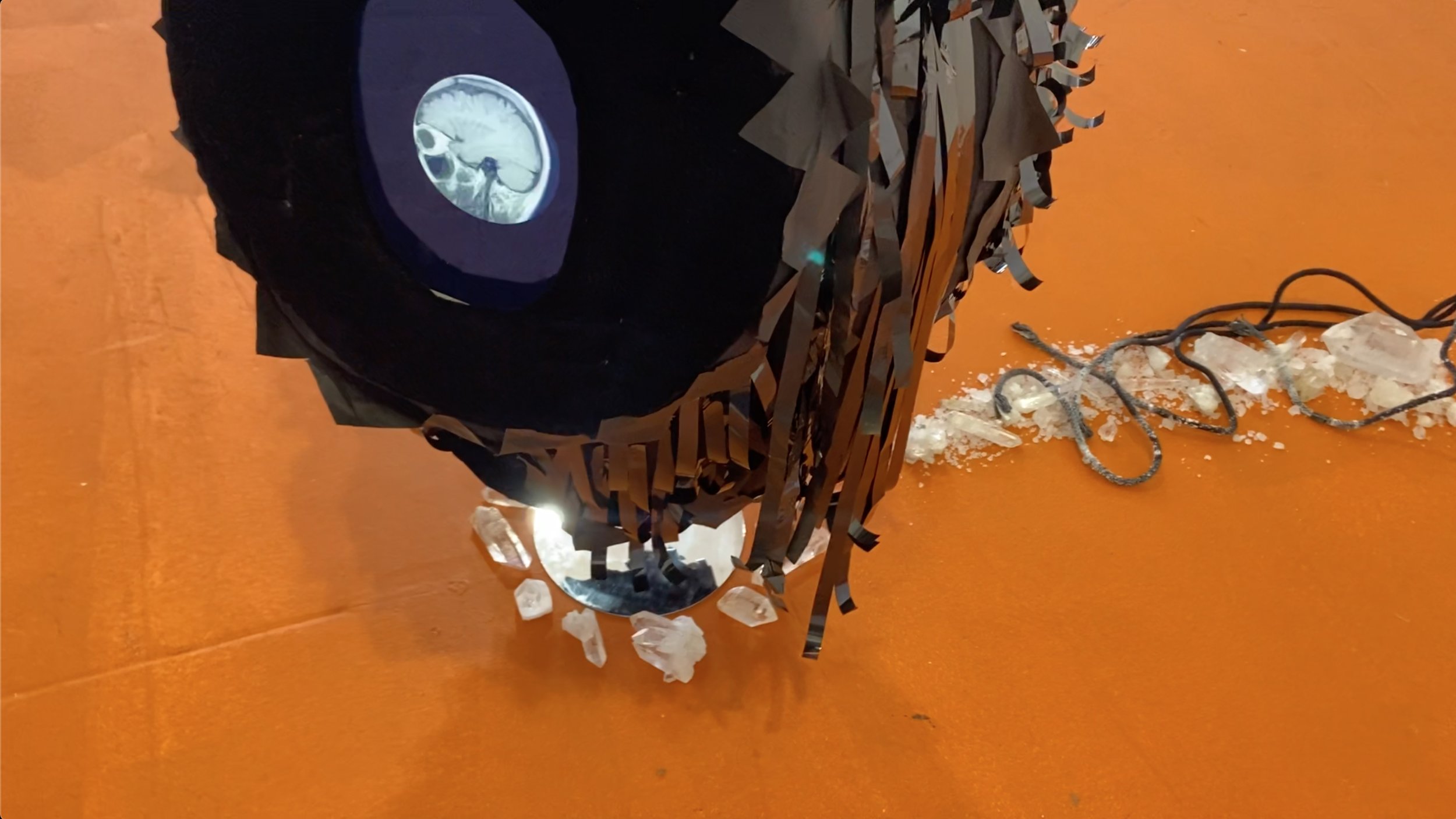
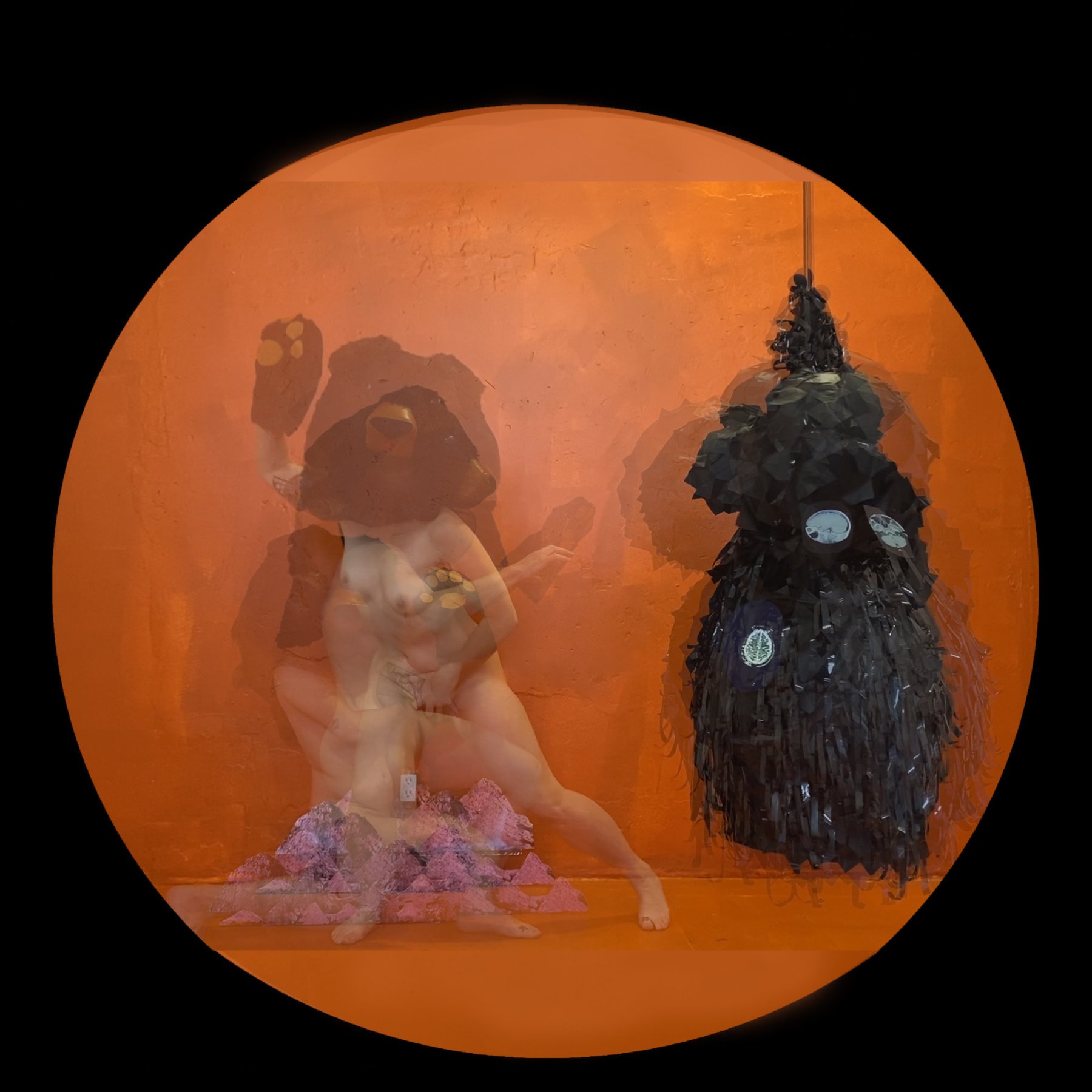
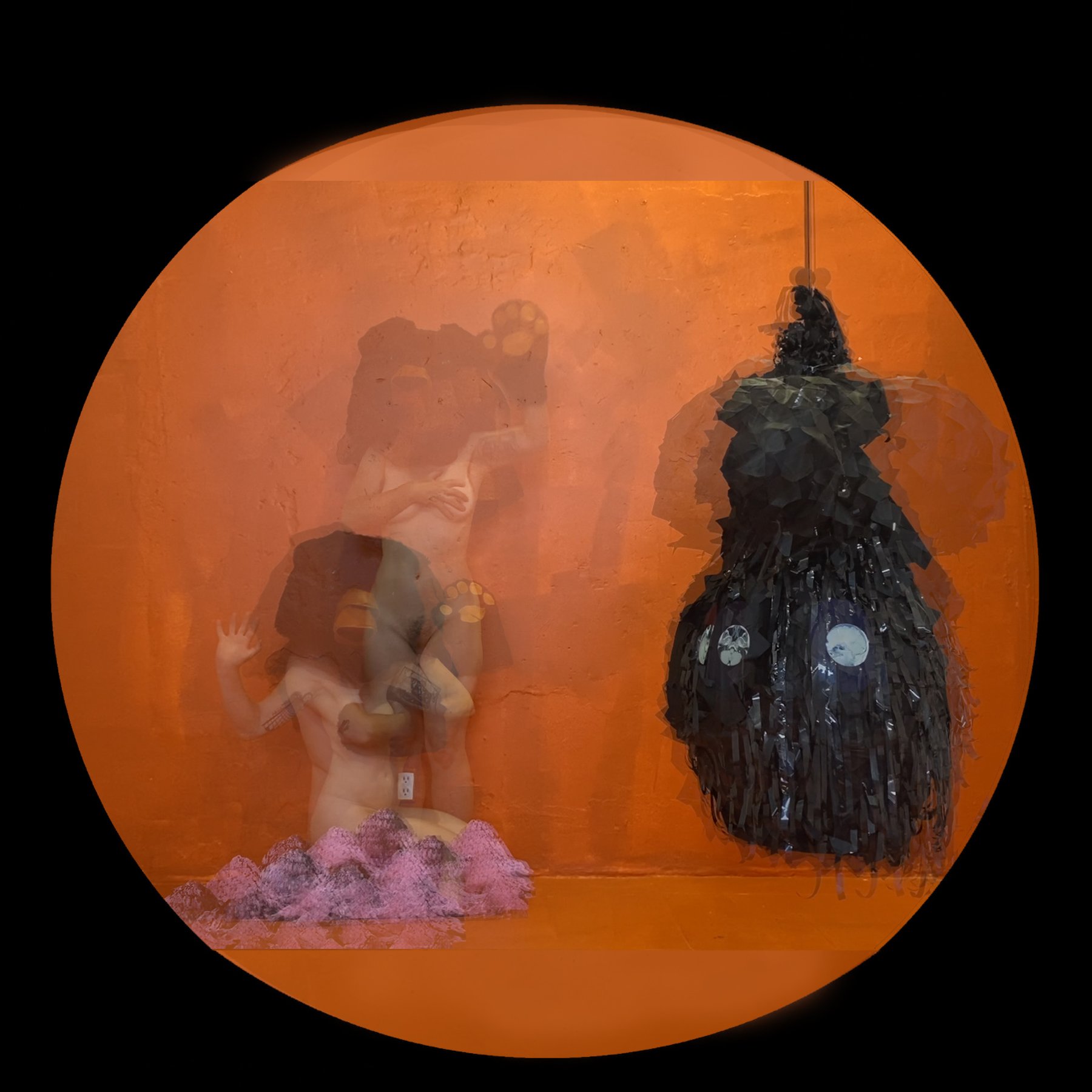
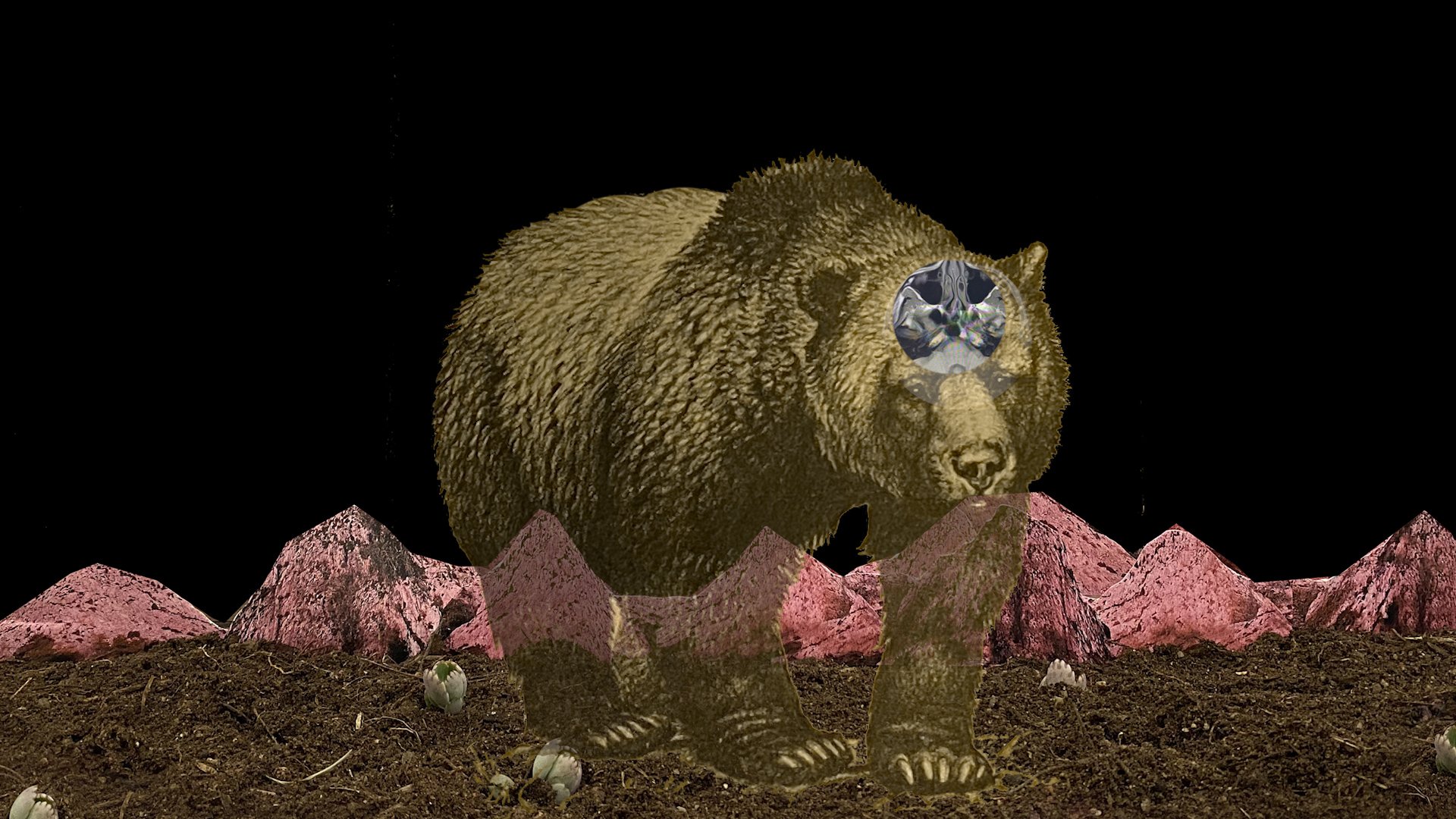
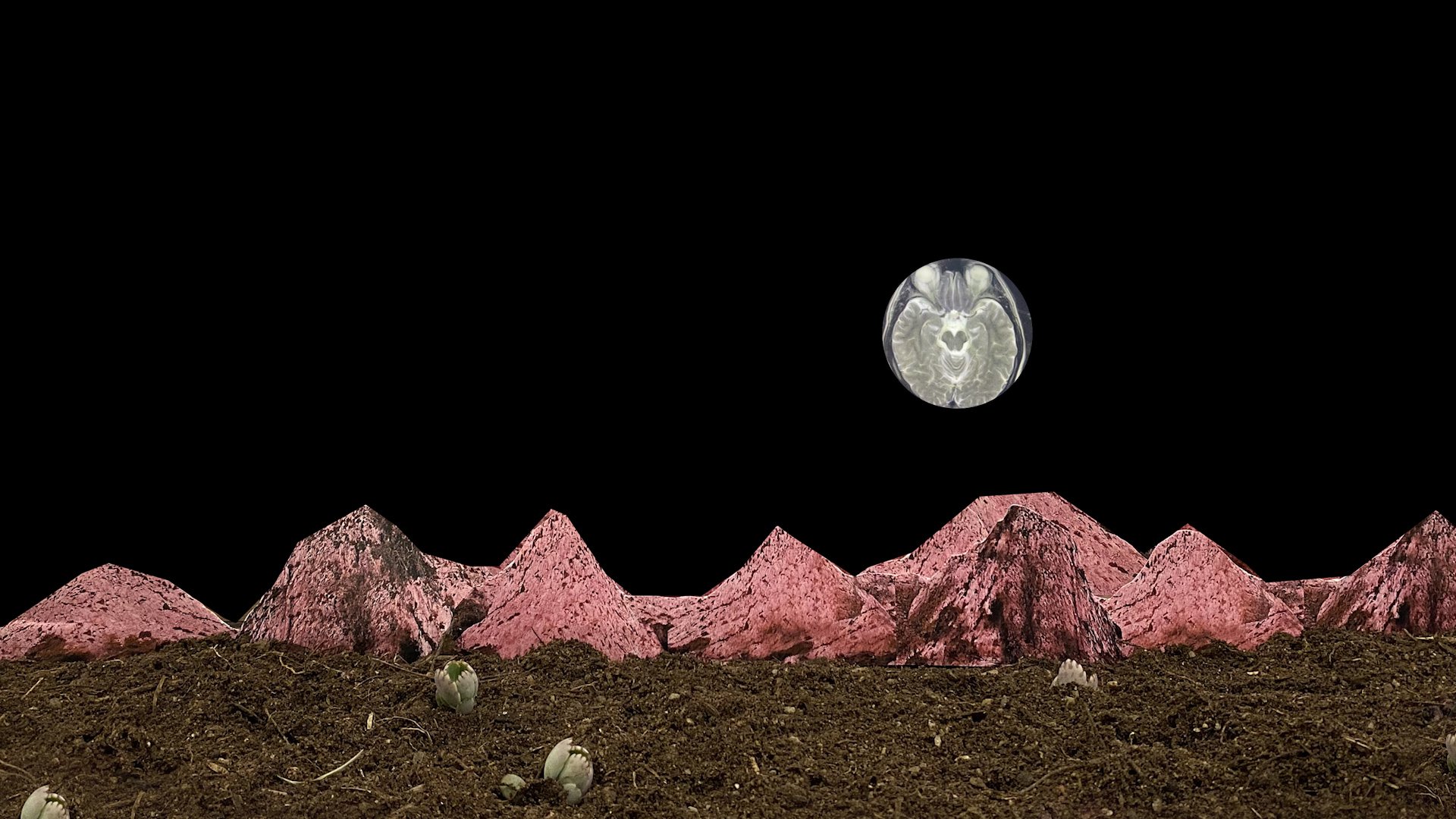
As a place-based art/research project, Inheriting the Void explores the connections between mental health and contemporaneous events of the climate crisis, the rapid rise of energy and water-hungry AI data centers in the American West, and global violence.
Without collapsing into narrative Inheriting the Void draws on recent events and intersecting theme-image-concepts, including: the writing of Amitav Ghosh’s The Great Derangement: Climate Change and the Unthinkable to consider the intersection of supremacist and colonial perceptions of the environment and aggressive extraction in the borderlands; Karen Hao’s Empire of AI, in which Hao writes that the delusion of AI as a tool for humanity “simply equates to educated people becoming ventriloquists for chatbots”; and a book I found in a thrift store titled The Last Survivors, which includes the Mexican Grizzly Bear, a species whose extinction occurred in the region I call home and at a time just before I was born; an extinction story that, to quote the book, “was fueled by man, his dogs, traps, poisons, and .30-30 rifles.” These texts, alongside the use of bear dolls in dementia treatment—as memory tools and comforting childhood symbols—form a kind of constellation of the inverted logics that seem to drive these times of dementia, derangement, and delusion.
